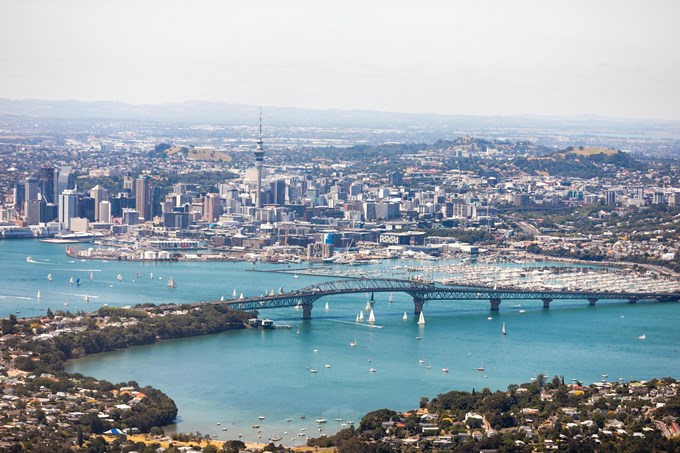
[vc_row][vc_column][vc_column_text]New Zealand’s highest performing 4.3 square kilometres is seeing a return to form, with data showing growth in employment and GDP in Auckland’s city centre tracking faster than New Zealand as a whole (see data below).
The numbers provide a fitting backdrop as Auckland Council publishes the 2022 / 23 City Centre Targeted Rate (CCTR) report, outlining how the rate was invested and the momentum of change it has helped the city centre achieve in the 2022 / 23 financial year.
The full CCTR report can be found here.
The CCTR is paid by city centre ratepayers – owners of commercial and residential land within the city centre – enabling the delivery of vibrant public spaces, activations and events that are enjoyed by all Aucklanders.
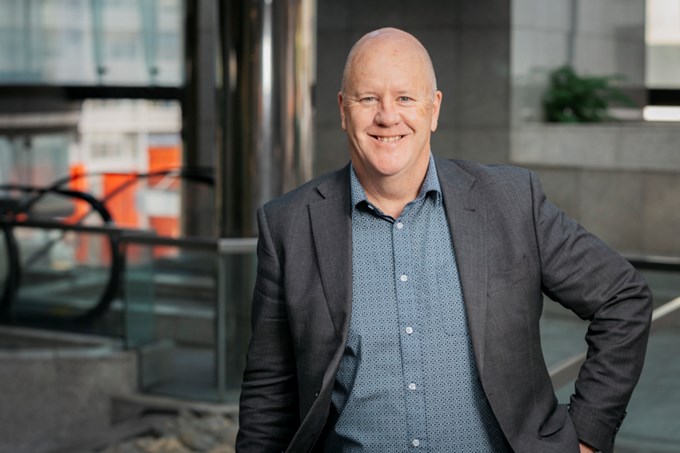
Auckland Council Head of City Centre Programmes Jenny Larking says the CCTR enhances the role of the city centre as the region’s economic heart and a vital cultural hub.
“The city centre contributes to the prosperity of the Auckland region and to the whole of New Zealand. The CCTR is currently confirmed in Auckland Council’s Long-term Plan until 2031, playing a key role in ensuring the city centre continues to be a vibrant, prosperous place into the next decade,” she says.
Auckland Council collects approximately $26 million each year from the CCTR.
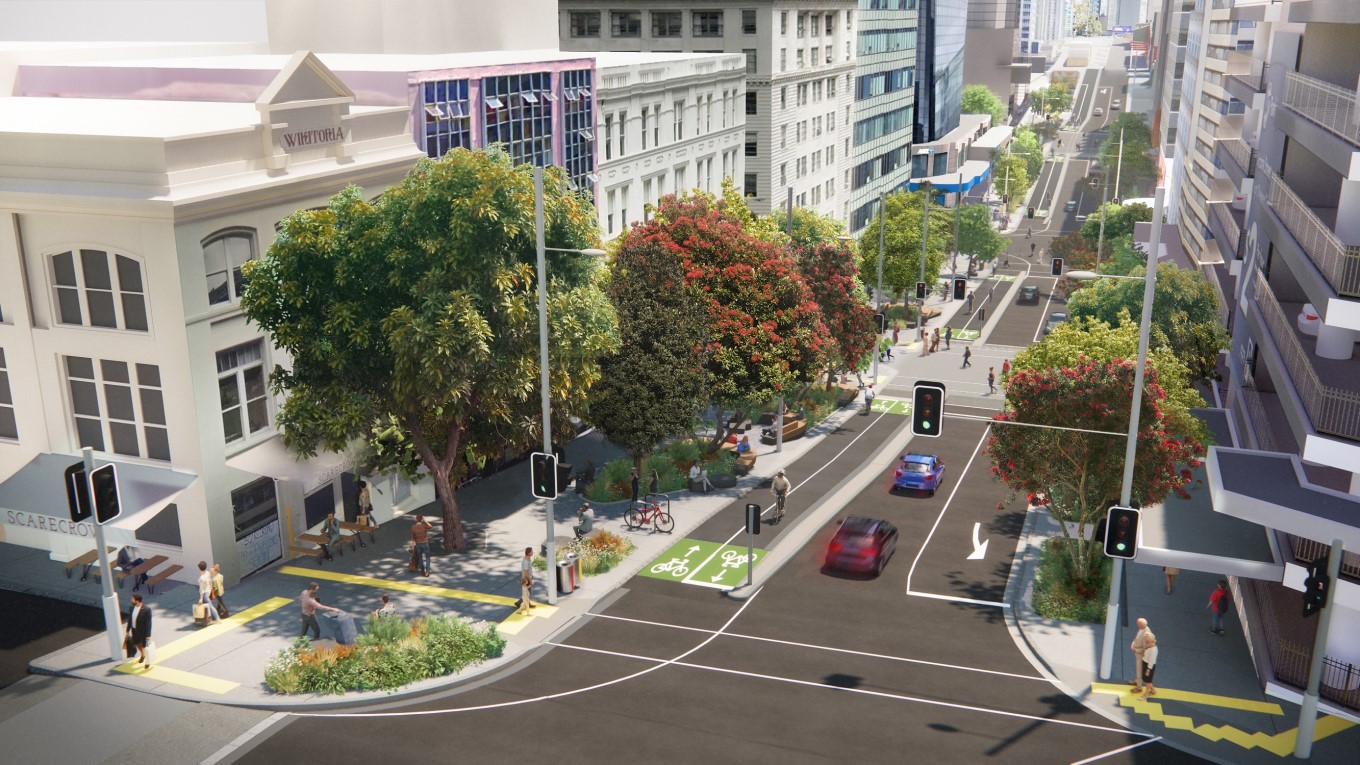
“With the support of the CCTR this year we have delivered an upgraded Queen Street, Federal Street (southern end) and Galway Street (western end). We’ve delivered activations and placemaking in our public spaces to ensure the city centre is lively and inviting, and to enhance Auckland’s reputation. We’ve also supported businesses impacted during construction,” Larking says.
Looking back to prior years, the Auckland Council group’s transformation of the downtown waterfront area, Karangahape Road, Te Komititanga, Freyberg Place, Albert Street and earlier sections of Galway Street are among projects supported by the CCTR.
Auckland Council’s guiding document for the city centre is the City Centre Masterplan (CCMP), setting the strategic direction for the next 20 years.
It outlines ‘Green Links’ as a focus, connecting the city centre’s green spaces and responding to climate change. These elements will be evident when the upgrade of the northern end of Myers Park opens later this year, and are visible in increased planting and tree canopy cover supporting sustainable development of the city centre. Read more here.
‘Waihorotiu / Queen Street valley’ and ’Transit oriented development’ are other focuses for the CCMP. Significant development is underway around Te Waihorotiu and Karanga-a-Hape City Rail Link stations – creating pedestrian-priority streets, improving public spaces, providing safe access around the stations and supporting growth.

Investment of the CCTR in 2022 / 23 was concentrated in the Waihorotiu Queen Street valley, reinforcing the city’s premier street as Auckland’s cultural, commercial and retail heart, and also in the Midtown Regeneration programme with construction of Te Hā Noa in Victoria Street and other midtown projects gathering momentum.
Vibrancy in the city centre
In addition to upgrading public spaces, the CCTR also supports a range of activation, placemaking, festivals, events and promotional activities that contribute to the energy of the city centre.
Highlights of the CCTR-funded activation and placemaking programme in 2022 / 23 include Matariki ki te Manawa, Christmas in the City Centre featuring the popular Christmas pavilion in Te Komititanga, Christmas on Queen Street and Lego in the Square at Aotea Square.[/vc_column_text][/vc_column][/vc_row]